Sheet 2 of 18 · District of Columbia
Georgetown plumbing: sewer work and historic review
Georgetown is where DC Water has opened sewer investigations for separation, and where the historic district shapes any exterior plumbing work; the pipes themselves follow the same DC Water split as the rest of the District.
Sheet revised November 3, 2026 · who makes this map
| Water | DC Water in public space; you from the property line in source |
|---|---|
| Sewer | DC Water main; lateral is the owner's source |
| Permits | DOB, plus historic review for exterior work source |
| Licensing | DLCP master plumber source |
| Lead pipes | DC Water lead map source |
The sewer-separation work
DC Water announced sewer investigations in Georgetown as part of a plan to separate sewers. The announcement page would not open for us, so we know only its headline: investigations for separation. We could not confirm which streets are covered or when. DC Water's own site also lists a Georgetown Tunnel Forum among upcoming events, and describes the 5.5-mile Potomac River Tunnel, part of the Clean Rivers program that reduces overflows to the Potomac, Anacostia and Rock Creek.
For a homeowner, the practical point is that crews may be working near your lateral. Find out whether a project touches your block before you spend on lateral work, and see sewer lateral repair for how repairs are split.
The historic district
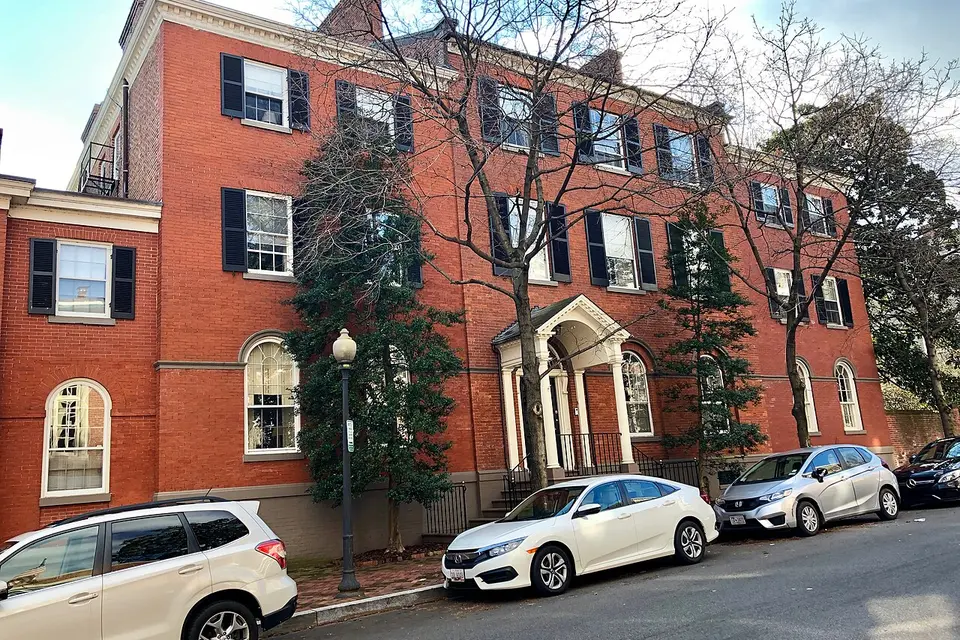
Georgetown has a historic district, and DC's Historic Preservation Office reviews exterior work whenever a building permit is needed. The regulations list plumbing equipment installation as an alteration. A vent not visible from the street is a minor matter, with review in about one to three days. Interiors are reviewed only where designated. Minor repairs on a historic property may still need a permit. Read historic district limits before you plan a new vent, a service entry or a meter box.
Backups and rebates
If sewage comes up a drain, stop using water and keep everyone clear, then call 202-612-3400. DC Water generally does not pay for cleanup, so claims go to 202-787-2052 after an investigation. DC Water also runs a backwater valve rebate (see the Bloomingdale sheet for the terms); the rebate office is 202-787-2003.
What the map can't tell you
- Whether your street is covered by the separation investigations, and when work starts.
- Whether your property lies inside the historic district boundary; the Historic Preservation Office holds the map.
- Whether your lateral is shared or runs under a neighbor's property.
- Whether the lead on DC Water's map is confirmed or a record guess.
Check your own address
- Phone 202-612-3400 and ask whether a separation or tunnel project is planned for your street.
- Confirm with the Historic Preservation Office that your address is in the Georgetown district and whether the repair needs review.
- Check your plumber's license on the DLCP site, and see check a license.
- Open the lead map for your address; the color tells you whether the record is verified or only suspected.
- Call 811 before any dig; the trench belongs to a licensed contractor.
Survey notes: sources for this page
- DC Water: sewer investigations in Georgetown. Known to us only from a search listing of the page.
- DC Water: flooding and Clean Rivers. Opened November 3, 2026.
- DC Water: sewer backup. Opened November 3, 2026.
- DC Water: backwater valve rebate. Opened November 3, 2026.
- DC Office of Planning: building permits and historic property. Known to us only from a search listing of the page.
- DC Office of Planning: work exempt from review. Known to us only from a search listing of the page.