Job · Basement backups
Sewage in the basement: first steps
Stop using water, keep people and pets away from the sewage, and call your sewer authority's emergency line: DC Water at 202-612-3400, Fairfax County at 703-323-1211, or Arlington at 703-228-6555.
Revised November 3, 2026 · who makes this map
| Place | What happens there | Turn to |
|---|---|---|
| DC | Call DC Water's emergency line, 202-612-3400. About one-third of the District is combined sewer, per an older DC Water newsletter, and backups are more common there. | Sheet 3 |
| Arlington | The county clears the main at no charge and asks you to call 703-228-6555 first. The lateral from your house to the main is yours. | Sheet 7 |
| Alexandria | Part of Old Town is served by a combined sewer. The city publishes a map of areas subject to sanitary sewer backups and reimburses part of a backflow preventer. | Sheet 8 |
| Unincorporated Fairfax County | Call the 24-hour center, 703-323-1211, before a plumber if sewage backs up when you are not using any fixtures. The county checks its main; your lateral is yours. | Sheet 17 |
| City of Falls Church, Vienna, Herndon, City of Fairfax | We could not confirm each place's emergency line from its own pages. Start with the number on your water or sewer bill. | Sheet 14 |
The first hour
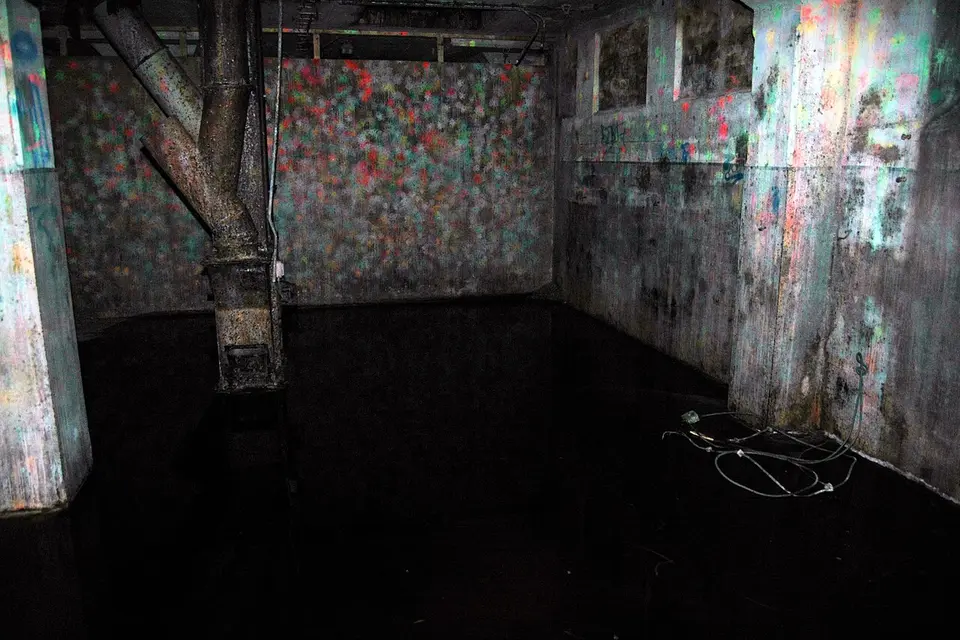
1. Stop using water. Do not flush, run the washer or shower. Water you send down goes into the same blocked line. 2. Keep people and pets out of the affected area. Sewage carries bacteria and viruses. Fairfax County says an overflow poses a substantial health risk and to keep people, especially children, away from it. 3. Do not wade through it, and keep out of the room until the source is stopped. 4. Call the sewer authority. Describe what you see, especially whether sewage came up when no one was using any water. 5. Never cross water to reach an electrical panel. If the panel is wet or water is near it, stay out of the room and call an electrician or 911 from somewhere safe. 6. Photograph the damage from a safe spot. Your insurer and any claim will want it.
Fairfax County adds that stoppers or plugs in drain openings can limit damage, and that tub, sink and floor drains may need weight to stay sealed, because ceramic fixtures are fragile. Do that only at drains you can reach without touching sewage or standing water. Do not run any water until the blockage is cleared.
Who answers, and why the call matters
The authority sends a crew to check the main. If the main is the problem, the public system fixes it. If it is clear, DC Water says you must hire a registered master plumber for the lateral at your expense, and Fairfax County says the same in its own words: the owner is responsible for the line from the house to the county sewer, including the connection. Your call also sets a record. A neighbor check can show whether the trouble is limited to your house or shared.
Why it happens
DC Water lists settling soil, misaligned joints, roots, collapses and grease. Fairfax County adds wipes marked flushable, rags, hair and food waste, and notes that connecting sump pumps, downspouts or French drains to the sanitary sewer is illegal because it can overload the sewer in a storm. Alexandria says the same about downspouts and sump pumps, and describes rain entering the sanitary system through cracked pipes and manholes. Heavy rain is a common trigger. See sewer lateral repair for the repair path.
Who pays for cleanup
Usually you. DC Water says cleanup and damages are most often the owner's responsibility, and generally does not pay for them. If you have information that suggests DC Water was at fault, call 202-787-2052 or file at www.dcwater.com/claims; an investigation comes first. Fairfax County says standard homeowners insurance does not cover the lateral, and that water backup coverage for the interior is optional. Check your policy today, not after a backup.
For water removal, DC Water points to local fire and water damage restoration firms.
Preventing the next one
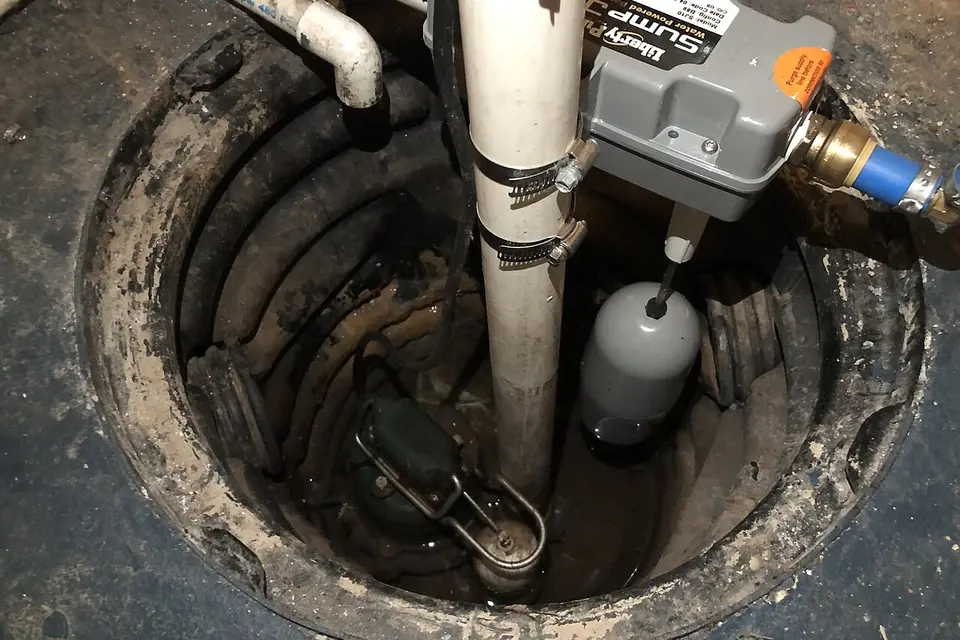
A valve installed on the lateral can stop sewage from coming back into the house. It does not stop a blocked lateral, and it needs a permit and a licensed plumber. Backwater valves explains how they work, and what DC and Alexandria offer toward the cost. Rebates are open to certain owners only, and the DC one requires a documented earlier backup.
Other steps are small: keep wipes, grease and hair out of drains; do not connect sump pumps or downspouts to the sanitary sewer; and think about where tree roots meet the lateral, which street trees and roots covers.
Neighborhood flood programs in DC
DC Water offers a floodproofing rebate of up to $3,000 for overland flooding in the greater Bloomingdale and LeDroit Park drainage areas. The page describing it is old, so confirm before relying on it. See Bloomingdale and LeDroit Park.
Check your own address
- Save the sewer authority's emergency number in your phone now, using the table above.
- Locate the lowest drain in your house and see whether it has a stopper or a valve.
- Ask your insurer in writing whether sewer backup and service line coverage are included.
- If you rent, send the owner a written report the same day.
- Keep the receipts for cleanup and for the plumber, for any claim.
Survey notes: sources for this page
- DC Water: sewer backup. Opened November 3, 2026.
- DC Water: flooding. Opened November 3, 2026.
- DC Water: floodproofing rebate FAQ. Opened November 3, 2026; the page is old.
- DC Water: sewer backup and flood prevention brochure. Known to us only from a search listing of the page.
- Fairfax County: residential wastewater. Opened November 3, 2026.
- Fairfax County: preventing backups and overflows. Opened November 3, 2026.
- Arlington County: sewer. Known to us only from a search listing of the page; the site would not open for us.
- Alexandria: backflow preventer assistance. Opened November 3, 2026.